
Milking It!
Colonialism, heritage and everyday engagement with dairy
-
Photo Credit: Roger Brain
Credit: Horniman Museum and Gardens
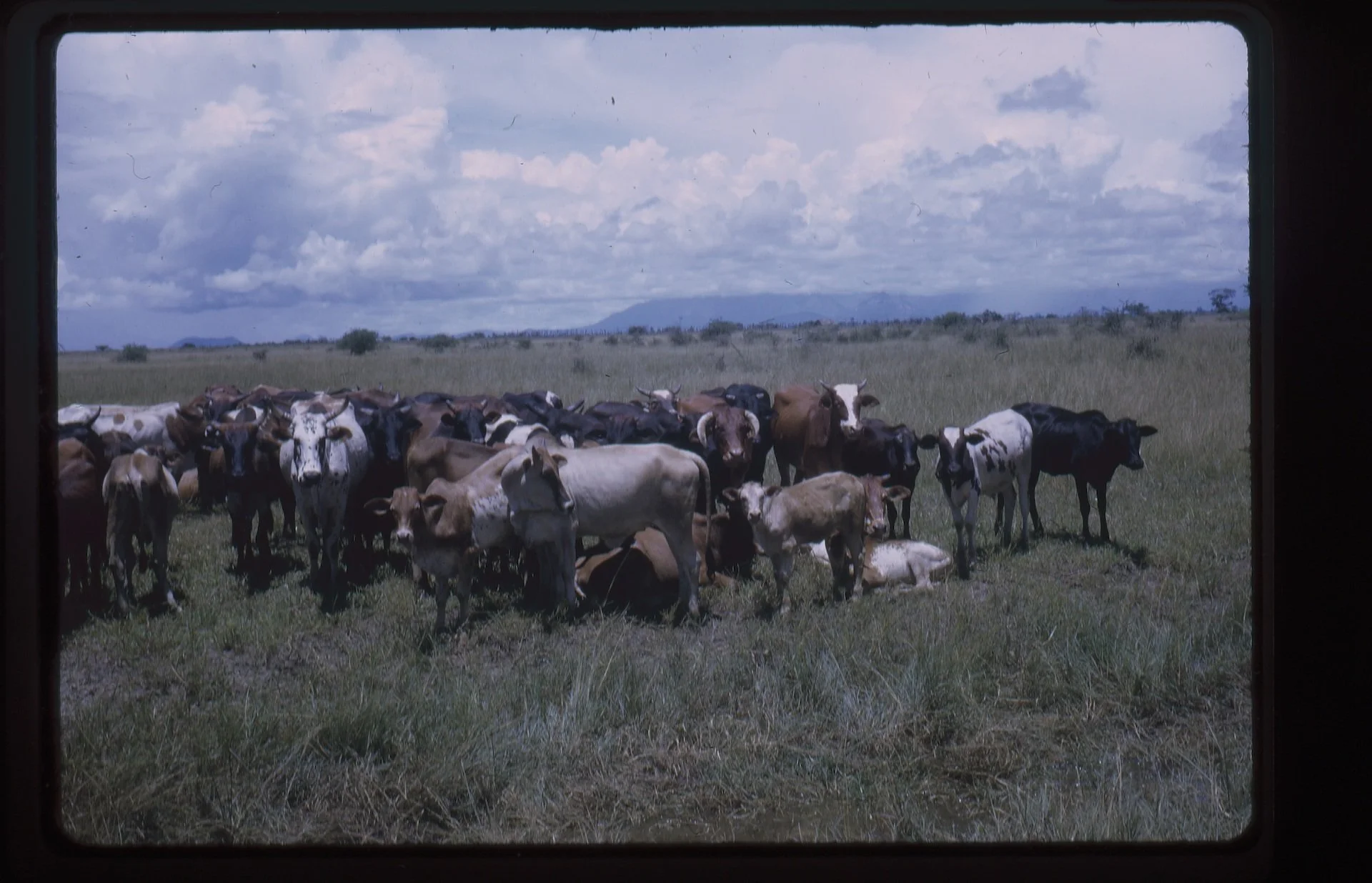
Milking It! was triggered by an image of Guernsey cows being flown to East Africa during the colonial period in the 1950s. Johanna was curious about why this was thought necessary. JC was puzzled: there were cows in Kenya already.
Following what seemed like a straightforward question opened up much bigger ones. Why were some kinds of cattle, and some kinds of milk, considered better than others? How did particular ideas about milk become authoritative, desirable or simply seem natural? Following those questions has made milk a powerful lens through which to think about wider food systems, human–animal relationships, identity, sustainability and the politics of what comes to feel ‘natural’.
We carried out research in archives and museums, then took what we found into conversations with people who know milk in very different ways. In our podcast Milk on the Move, we talk with anthropologists, historians, nutrition experts, farmers, cheesemakers and others about the contradictions milk holds. It can be intimate and industrial, heritage and innovation, nourishment and commodity; something associated with home and childhood, but also with labour, markets and extraction.
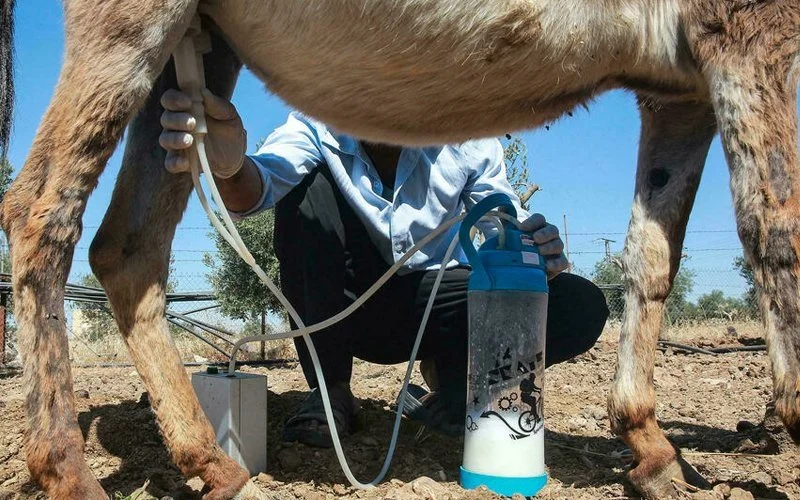
Working across Kenya and the UK allows the project to trace connected histories while also paying attention to important differences. It lets us follow changing relationships between formal and informal markets, standardisation and diversity, industrialisation and environmental change. Understanding milk’s pasts helps us make sense of how today’s milk systems came to seem normal and to think more carefully about what their futures might be.



-
By Roberta Sant'Anna, Unsplash +
Calf on an aeroplane, Kenya
Museum of English Rural Life, Farmers Weekly, Topham, Charles, P FS PH2/B2/1
Man with dairy cow
Photo credit: Getty Images for Unsplash +